Nobody bills you for the dent. You just get less. Trade-in dent repair across San Diego, matched to the price you are asking.
A lease inspector hands you an itemised bill you can read and sometimes argue with.
An appraiser hands you one number. The dent is priced into it and it is never
written down anywhere, which means there is nothing to question and nothing to
push back on. That is the part worth understanding before you drive in.
Noted
You said you are selling or trading it in.
Then the number you care about is the one the appraiser writes, and they do not deduct the cost of the repair. They move the whole car into a lower condition bracket, and you never see the line item.
PremiumTaken all the way
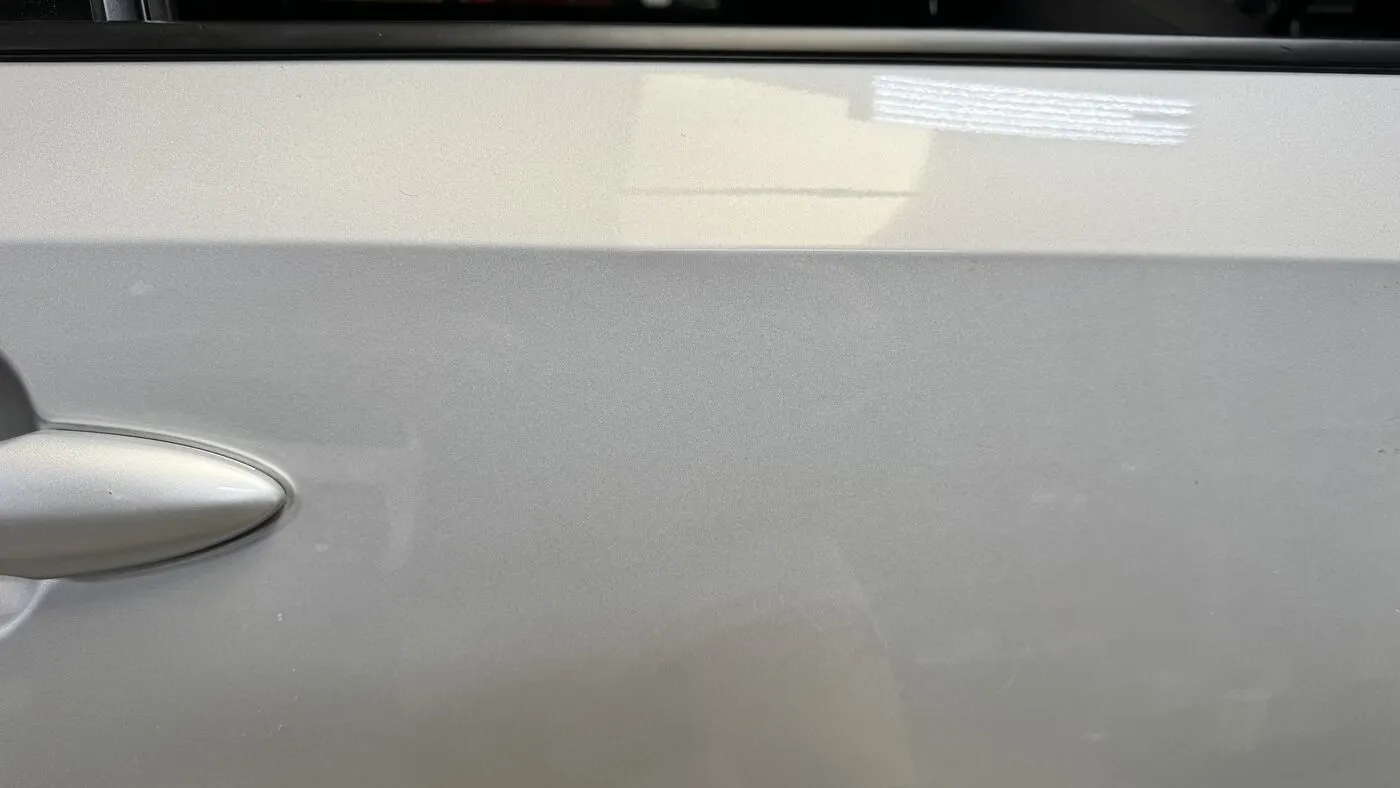
You do not see it. Not from any angle, not from any distance, not if you go looking. The dent is gone rather than reduced.
Newer vehicles, leases, anything where resale is the point.
PracticalThe sensible middle
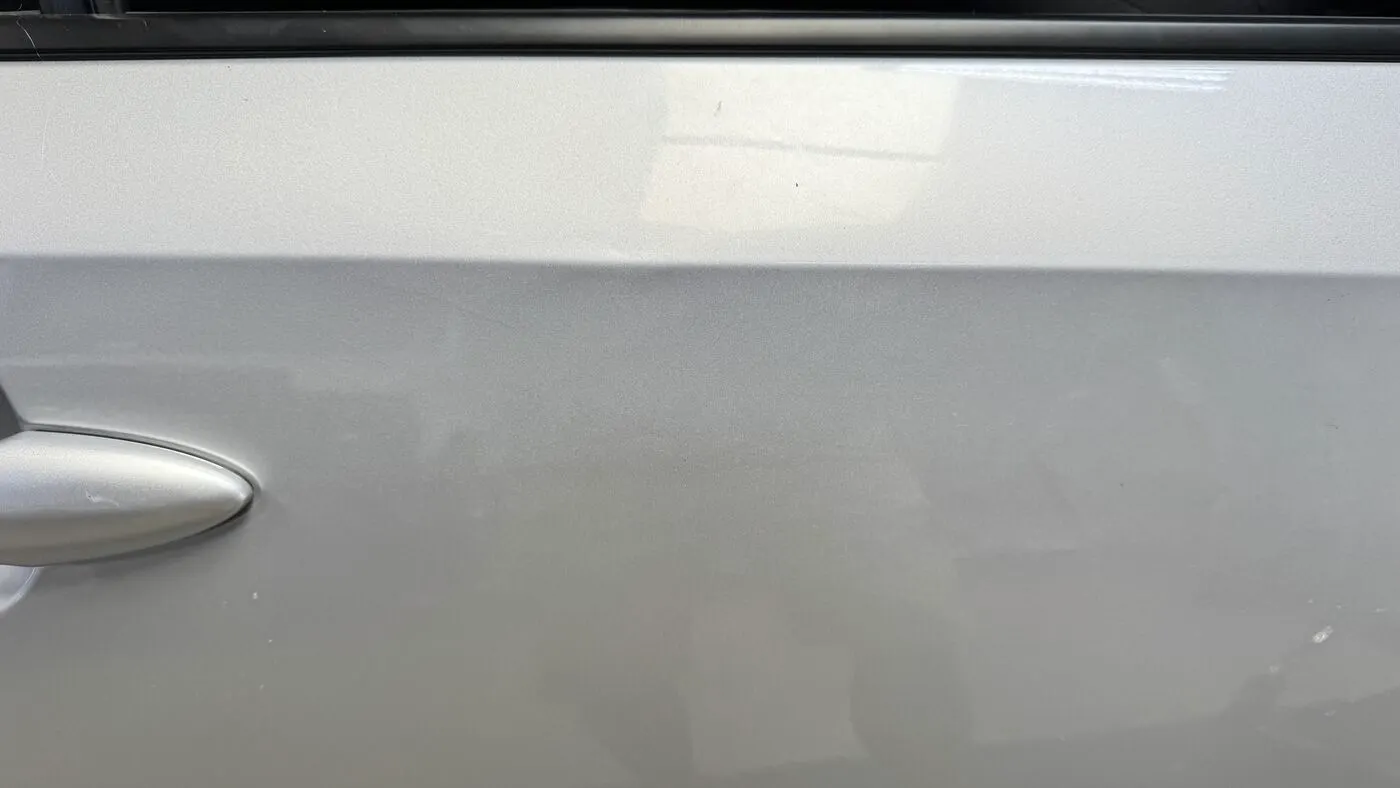
You will still find slight imperfections at different angles if you go looking. They are not obvious and most people never notice, but they are there.
Older vehicles, daily drivers, and damage nobody is inspecting.
For your situation:Premium when you are chasing top dollar. Practical can be the right fit at a modest asking price.
This is a preliminary range based on your answers. Send two photos and a technician replies within minutes with a written estimate. The final price is always confirmed in person, once we can see what is behind the panel. No obligation.
What's behind the panel can change this number. Two dents that look identical from outside can be two different repairs, because braces, beams and wiring sit behind some spots and not others. That is why this is a preliminary range, never a quote sight unseen.
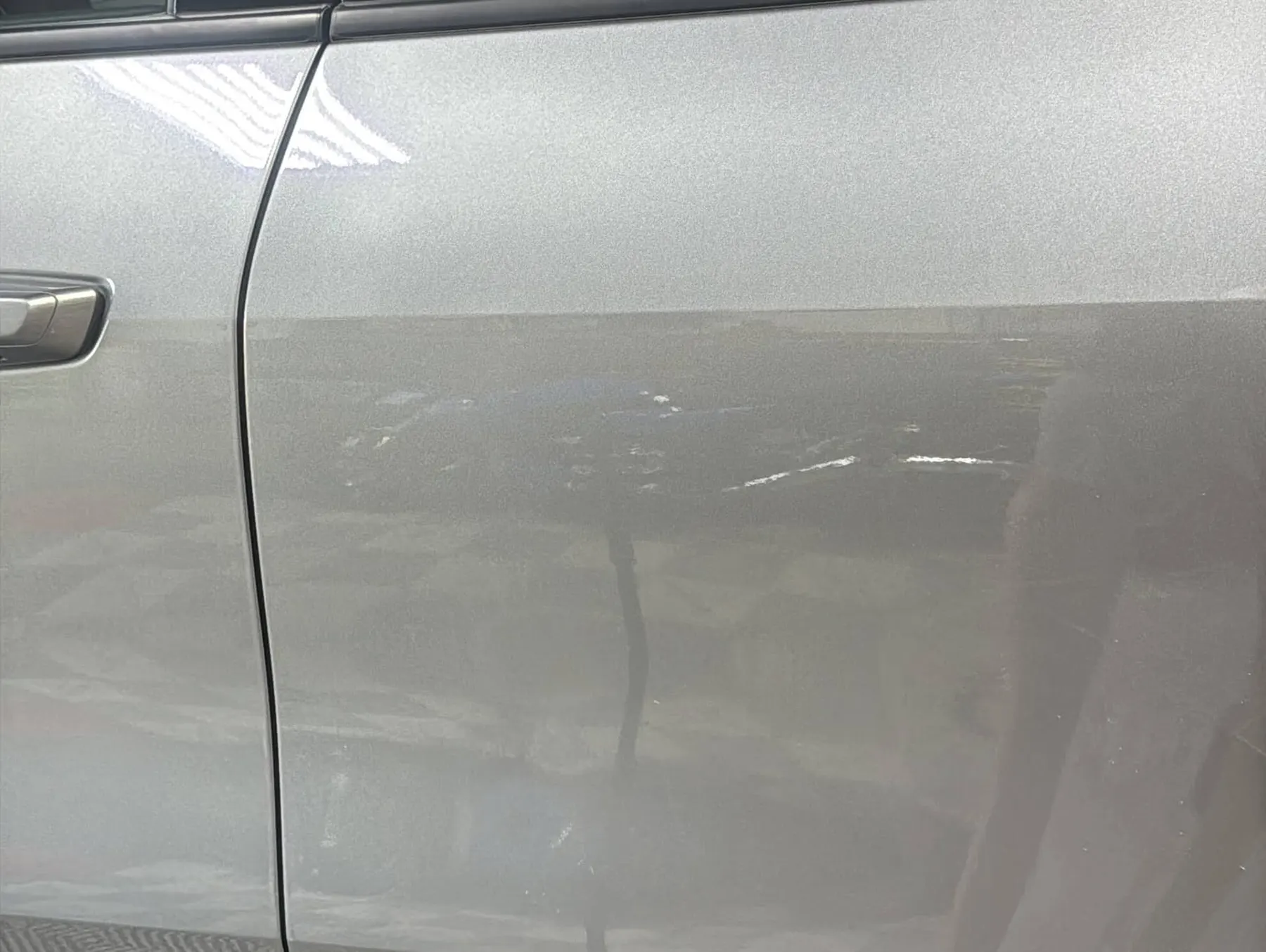
When paint is cracked or chipped at the dent, PDR alone won't produce a fully clean result. The dent can still be addressed with PDR, but the damaged paint needs a separate assessment. We will evaluate both and give you an honest recommendation.
What's behind the panel can change this number. Two dents that look identical from outside can be two different repairs, because braces, beams and wiring sit behind some spots and not others. That is why this is a preliminary range, never a quote sight unseen.
Two dents that look identical from outside can be two different repairs, because braces, beams and wiring sit behind some spots and not others. That is why this is a preliminary range, never a quote sight unseen.
If the damage runs over $500, Dent Time offers you repair options and you pick how far
the repair goes. Under $500 there is one honest way to do it and you get a straight
cost range.
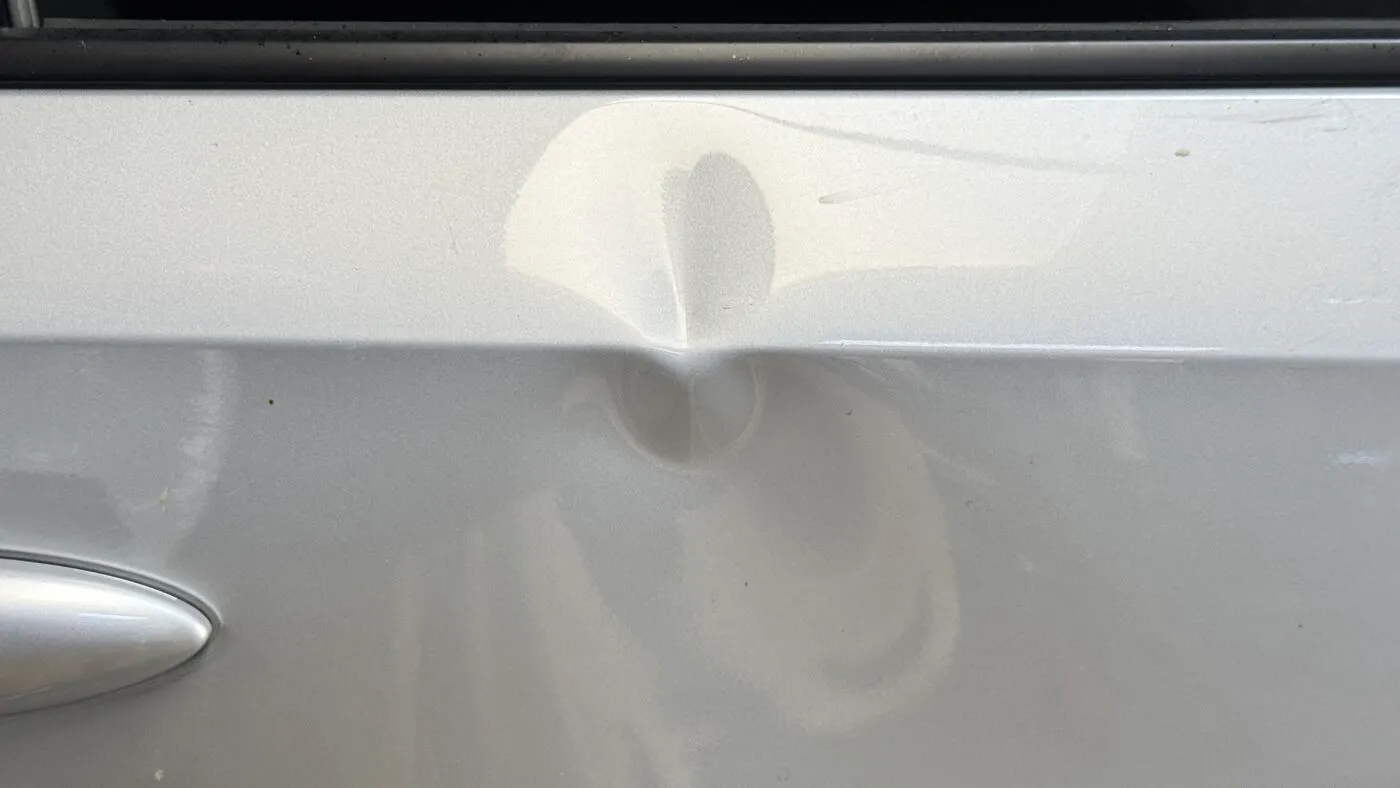
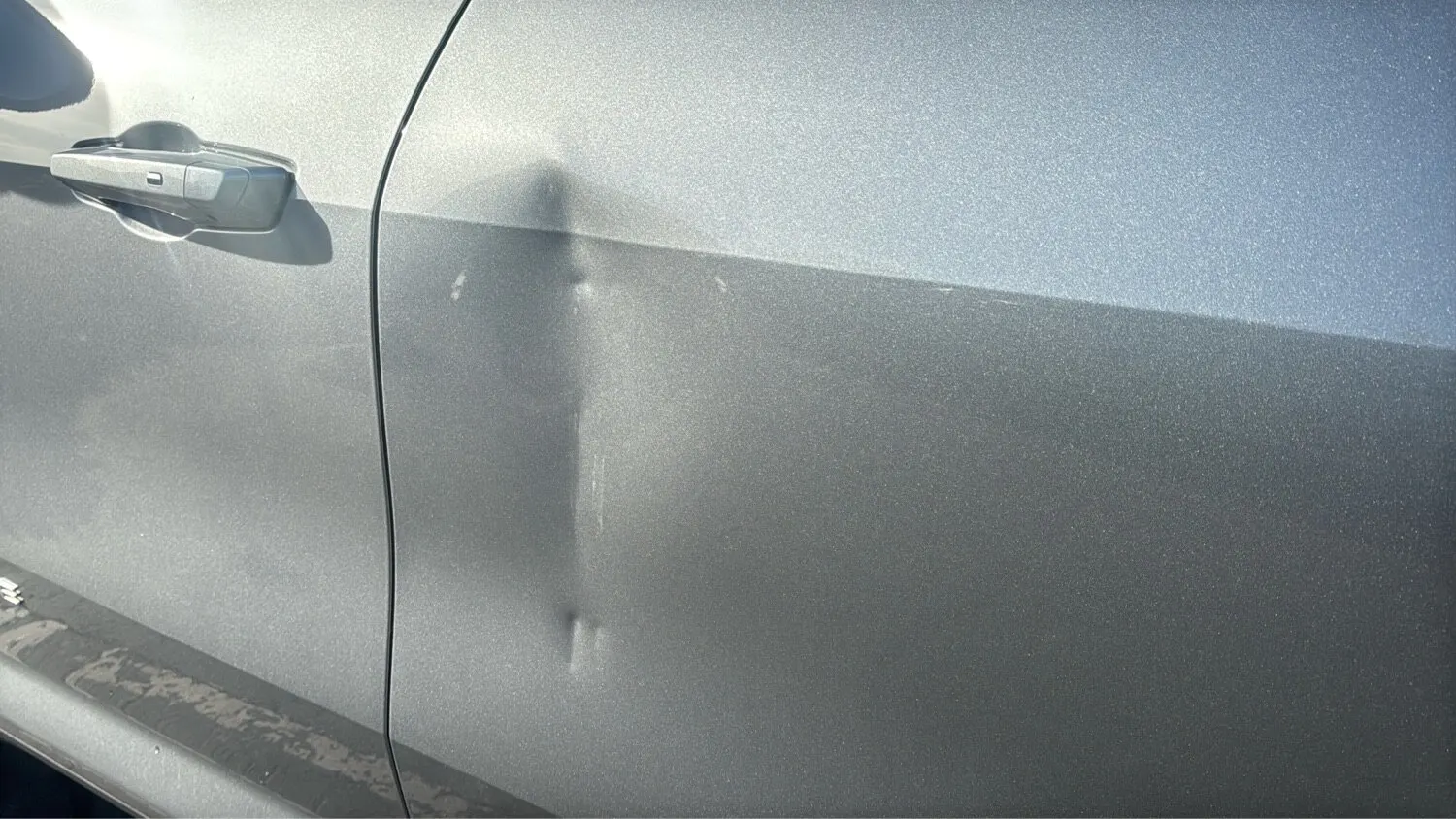
BeforePremium
You do not see it. Not from any angle, not from any distance, not if you go looking. The dent is gone rather than reduced.
BeforePractical
You will still find slight imperfections at different angles if you go looking. On this panel, what is left is barely visible near the body line. That is our Practical standard, and it runs higher than most competitors’ premium.
Same panel, two standards. Drag the slider, tap the tabs. You can start at either one and step up during the repair.
Which standard you start at depends on your budget and your goal, and you can
step up during the repair if your eye asks for more.
For your situation: Selling or trading, the likely answer follows the price you are asking. Chasing top dollar, Premium is worth it, because a buyer paying top money inspects like it. At a modest asking price, Practical might be all the car needs, the major damage gone at about 30 percent less than Premium.
Either way, every estimate is preliminary until we see the panel in person. An exact
quote from a photo would be irresponsible, and we would rather be transparent, honest
and informative so you can make an intelligent decision.
They Do Not Deduct the Dent Repair. They Move the Car.
This is the part most people have backwards. An appraiser is not standing there
calculating what a dent costs to fix and subtracting it. They are placing your
vehicle into a condition category, and the guide books that set trade values run on
named tiers. Clean is one bracket. Average is the next one down.
A car with three door dings is not a clean car with three dings priced
in. It is an average car. The whole vehicle reprices, not the panel.
We are not going to tell you what that gap is worth on your car, because it depends
on the model, the mileage, the market and the week, and anybody quoting you a
figure for it is guessing. What we can tell you is the mechanism, and the mechanism
is why the deduction is almost never the same size as the repair.
The dent is the reason for the move. It is not the measure of it, and paintless dent repair may help you address it while preserving the factory finish.
The Mistake That Costs the Most
A Repaint Is the One Thing a Buyer Can Find.
People get a panel resprayed before selling because they think it makes the car
look handled. It does the opposite. Refinished paint does not read the same as
factory paint, and a paint depth gauge that costs less than a tank of gas will show
it in seconds. Dealers run one on appraisals. Careful private buyers bring
one too.
The moment somebody finds fresh paint on a panel, the conversation changes. They
are no longer asking about a parking lot ding. They are asking what happened to the
car, why it is not on the history report, and what else has been done. You have
turned a cosmetic question into a disclosure question, and you cannot turn it back.
Paintless dent repair does not create that problem, because there is nothing added
and nothing to detect. The factory finish is still the factory finish, no
insurance claim exists, no body shop was involved, and nothing lands on the
Carfax. The panel just reads as a panel that was never hit.
Where to Spend and Where Not To
Not Every Ding Is Worth Dent Removal.
Fixing everything before a sale is how people spend more than they get back. What
matters is whether a dent is capable of moving the car down a bracket, and that is
mostly about where it sits rather than how big it is.
Worth it
The panels seen first.
Doors, the hood, front fenders, and bumper corners. This is the walk-around, and
it is where a condition rating is decided in the first thirty seconds. A door runs
$197 to $500, a hood $250 to $900, and a bumper
dented corner with the paint intact starts at $250, and a scratched corner at $395.
Usually worth it
Anything on a body line.
A crease across a character line reads as impact rather than as a parking lot
ding, and it draws a second look at the whole panel. Quarter panels run
$275 to $1,200 because they are welded to the car rather than
bolted on, which is also why a body shop quotes them so much higher.
Often not
The ones nobody looks at.
Inside door edges, low on a rocker, the underside of a bumper, a small ding on a
panel already carrying honest wear on a high-mileage car. These rarely change a
rating. We will tell you when a dent is not worth your money,
because sending you a bill for something that does not move your number is not
a repeat customer.
Same Panel, Same Light
What the Appraiser Would Have Seen.
Drag the handle. Nothing added to the car, nothing sprayed, nothing to disclose.
BeforeAfter
If You Are Selling It Yourself
A Private Buyer Is Not Scoring Your Car.
Trading in is a chart. A private sale is a person deciding whether to believe you,
and that changes what damage costs. A buyer standing in your driveway is not
pricing the dent. They are wondering what else is on the car that you did
not mention. One visible ding you did not bring up first turns every other
answer you give into something they have to weigh.
It also hands them the only lever they have. A buyer who wants to negotiate needs
something concrete to point at, and a dent is the easiest thing in the world to
point at. The panel being clean does not just protect the price. It removes
the opening.
Timing
Before the Appraisal. Not After.
An appraisal is a written number, and written numbers do not move because you fixed
something the following week. If you are trading in, the repair has to happen before
you drive onto the lot. If you are selling privately, it has to happen before the
photos, because the listing photos are what decide who calls.
The repair itself is rarely the constraint. Most jobs are finished in a single
visit, and several dings on one car is one appointment, not several.
We are mobile across San Diego County and South Orange County at no extra charge, so
the car does not need to leave your driveway. That matters more than it sounds when
you are selling. A body shop would cost you three to five days and a rental on a car
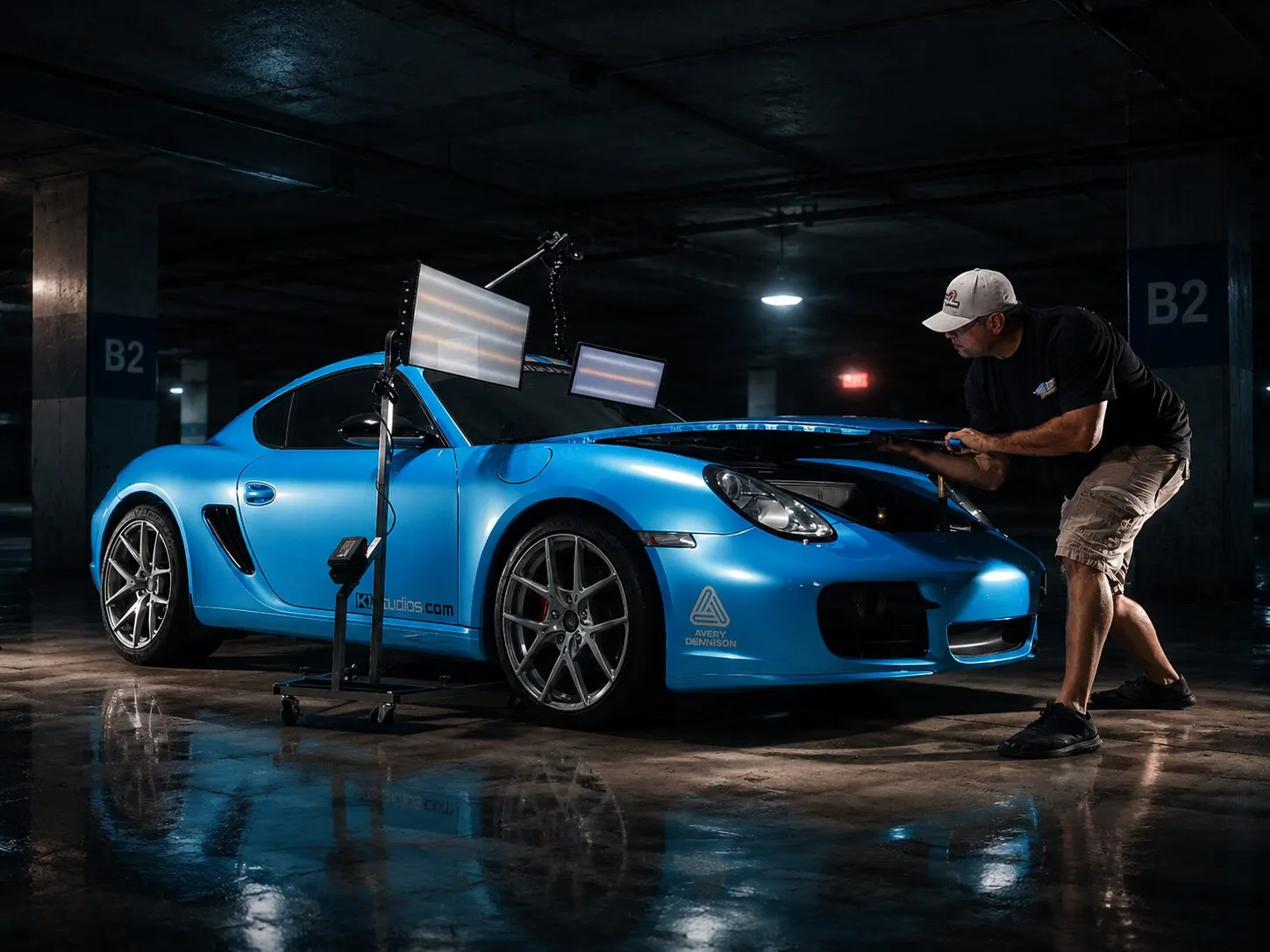
you are about to hand over, which is money and time spent on somebody else’s vehicle. Panels that need controlled lighting
come to the Escondido shop, and we say which one yours is before you commit.
Send two or three photos from different angles and you get a real range back within
minutes during the day, along with which dents we think are worth doing and which
ones we would leave alone. Full pricing by panel
is here, and if you are handing a leased car back instead of selling it,
lease returns work differently.
Answered
Dent Repair Before Selling, Answered.
Do dents lower the trade-in value of a car?
Yes, and usually by more than the repair costs. An appraiser does not subtract the price of fixing the dent. They move the vehicle into a lower condition category, and that category applies to the entire car, not to the panel. A dent is the reason for the move. It is not the size of it.
Should I get paintless dent repair before trading in my car?
Fix the ones that move the car out of a clean condition rating. That is usually the panels a person sees first, the doors, the hood, and the front bumper corners. A ding on an inside door edge or low on a rocker rarely changes the rating and is often not worth touching. We tell you which is which before you spend anything.
Should I repaint a panel before selling my car?
No. A repaint is the one thing a buyer can find. Paintless dent repair leaves nothing to detect. A paint depth gauge costs less than a tank of gas, dealers use them on every appraisal, and refinished paint reads differently from factory paint. Once someone finds it they stop asking about the dent and start asking what happened to the car.
Does paintless dent repair show up on a Carfax report?
No. Paintless dent repair keeps the original factory paint and involves no insurance claim and no body shop, so there is nothing to report. That is the difference that matters when the car is about to be appraised.
Is it worth fixing dents before selling a car privately?
Usually yes, for a different reason than a trade-in. A private buyer is not scoring your car against a chart. They are deciding whether to trust you. Visible damage that you did not mention first gives them a reason to wonder what else is on the car, and it hands them a lever on price.
How long before the appraisal should I book dent removal?
Before it, not after. Once an appraisal is written the number does not move because you fixed something afterward. Most repairs are done in a single visit, and several dings on one car is one appointment, not several.
Can you do mobile paintless dent repair at my home or office before I sell the car?
Yes. We are mobile across San Diego County and South Orange County at no extra charge, and the car does not need to go anywhere. Complex or high-end panels come to the Escondido shop where the lighting is controlled, and we tell you up front which one your car needs.
Straight Answer
If This Were My Car.
Match the repair to the money you are asking. If you are chasing top dollar, Premium is worth choosing, because a buyer paying top money inspects like they are paying top money.
If the dents are obvious but the price is not premium, Practical might be the right fit. It removes the major part of the damage, and what is left is far less obvious than what you started with.
You are never locked in. Start at Practical, and if it is not landing where you expected, move up to Premium during the repair.
Myke Toledo, founder. In paintless dent repair since 1991.
The honest comparison
Our call: Match the repair to the money you are asking.
Chasing top dollar
Then Premium is worth choosing. A buyer paying top money inspects like they are paying top money, and the panel has to hold up to that.
Obvious dents, modest asking price
Practical can be the right fit, depending on your expectations and how much you want to invest. It brings the panel close to the Premium level for less, and what stays behind is far less obvious than what you started with.
You are never locked in. Start at Practical, and if it is not landing where you expected, move up to Premium during the repair.
The repair should earn its cost back in the sale price. When it will not, we will say so.
Both sides of this are mine. Myke Toledo, in paintless dent repair since 1991.
Where We Come To You
Dent Repair Before You Sell, All Over San Diego.
The car does not need to leave your driveway before the appraisal or the listing photos, and mobile costs nothing extra.
Mobile paintless dent repair across San Diego County and South Orange County at no
extra charge, plus the Escondido shop at 2120 W. Mission Rd. for anything that needs
controlled lighting. Send two photos and we will tell you which one your car needs.
Before the Appraisal
Find Out Which Dents Are Worth Fixing.
Text two or three photos and a real technician sends back an honest range in minutes, plus which ones we would leave alone. Factory finish kept, nothing on the Carfax, no diminished value.