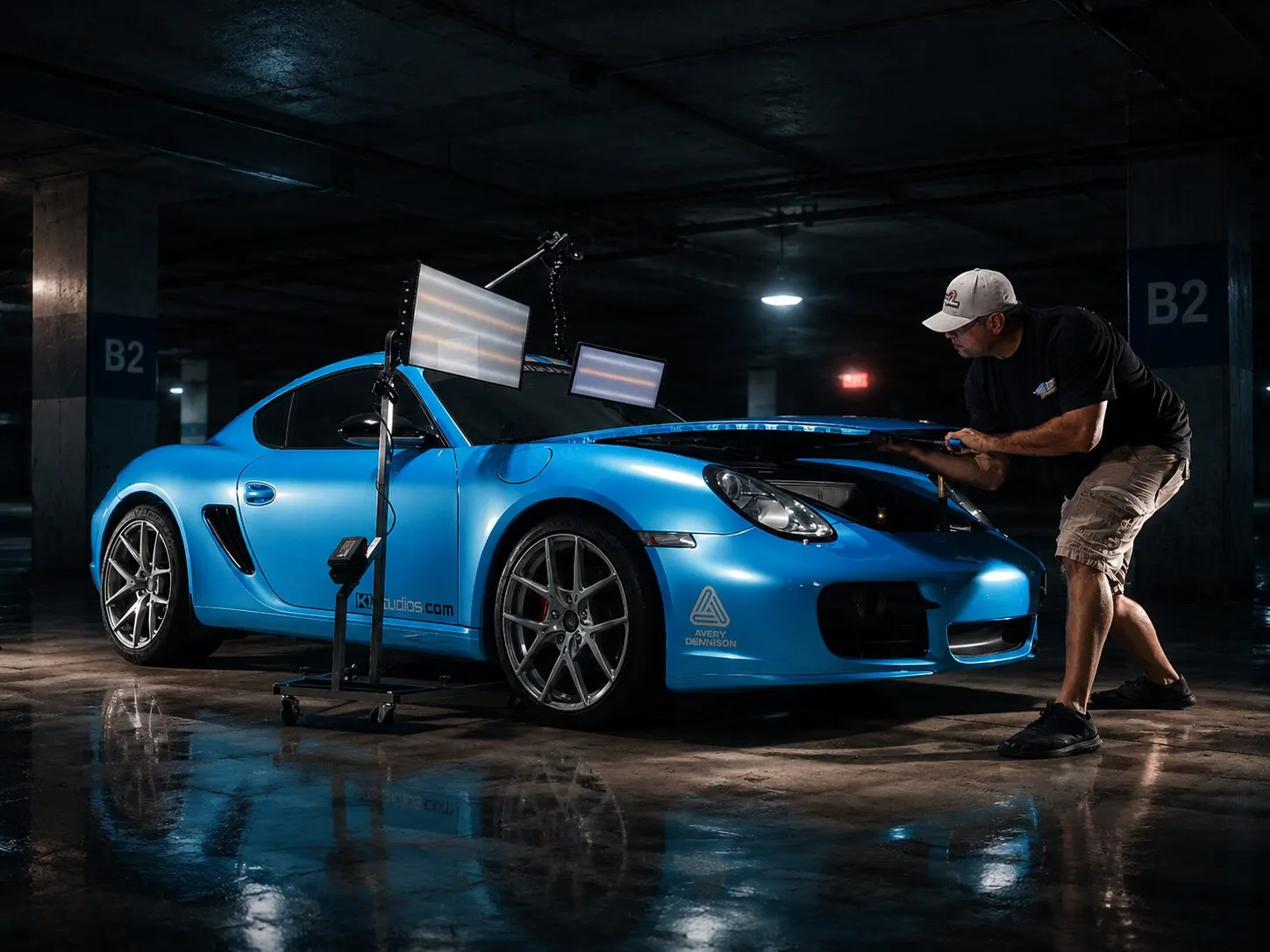
The bay is a quarter of the business. The rest happens before the car arrives.
About three quarters of it. That is not a number I read in a study, it is what I have watched happen in my own business since 1991 and in the businesses of the technicians I have trained since the nineties. Roughly a quarter of this job is the repair. The rest is everything that gets you to the repair and everything that brings the next one.
Nobody says this out loud, and I understand why. It is not what a training brochure sells and it is not what a student wants to hear on day one, when all they want is to get a dent out cleanly. But it is the honest shape of the work, and knowing it early is worth more than another week of practice.
How much of a PDR business is actually marketing?
Roughly three quarters. About a quarter of the work is the repair itself, and the other three quarters is promoting yourself and building a brand people trust. Every PDR course teaches the quarter.
When people hear that number they usually assume I mean advertising, and that is not what I mean at all. Marketing in this trade is the whole apparatus that makes a stranger decide to hand you their car. It is your pricing, how you explain the value of what you do, the options you put in front of somebody, your photographs, your reviews, your follow-up, your Google Business Profile, and knowing precisely who you are talking to before you open your mouth.
The repair is the part you get paid for. The other three quarters is the part that decides whether anybody ever gives you the chance. A technician who is excellent at the quarter and absent from the rest has a hobby with good outcomes.
Is PDR marketing just social media?
No, and this is where most technicians waste their first two years. Posting is the last mile of marketing, not the work itself.
I want to be blunt about this because I watch it constantly. A new technician finishes a course, opens an account, and starts posting before and after photos into a feed full of other PDR technicians posting before and after photos. Six months later there is a following made up of other technicians and not one paying customer, and the conclusion they draw is that marketing does not work.
Social media is a distribution channel. It carries a message. If you have not done the work of deciding what your message is, who it is aimed at, and why anybody outside the trade should care, then you are distributing nothing very efficiently.
The work underneath is knowing what you stand for, saying it the same way every time, and being findable by the person who is already looking for you. A properly built Google Business Profile with real photos and steady reviews will out-perform a year of posting, because it catches people at the moment they are searching rather than the moment they are scrolling.
What is a client avatar and why does it decide everything?
Your client avatar is the specific person you are trying to reach, and it determines your pricing, your message, and where you spend your time. Most technicians chase four different customers at once and reach none of them.
In this trade there are really a handful of distinct customers and they do not want the same thing. The dealership wants volume, speed, and a predictable invoice. The body shop wants a subcontractor who does not create problems and shows up when they said. The lease return wants the cheapest path to avoiding a penalty. The retail enthusiast with a garage full of tools wants their factory paint untouched and will pay for somebody who treats the car the way they do.
Those four people respond to completely different messages. Speed language wins the dealership and actively repels the enthusiast, who hears "fast" and thinks "rushed". Craft language wins the enthusiast and bores the dealership, which is buying throughput. If you write one message for everybody, it lands with nobody in particular.
Pick the one you actually want. Build your pricing, your photos, and your words around that person. You can serve the others when they call, and you should, but the message has to be aimed somewhere or it does not travel.
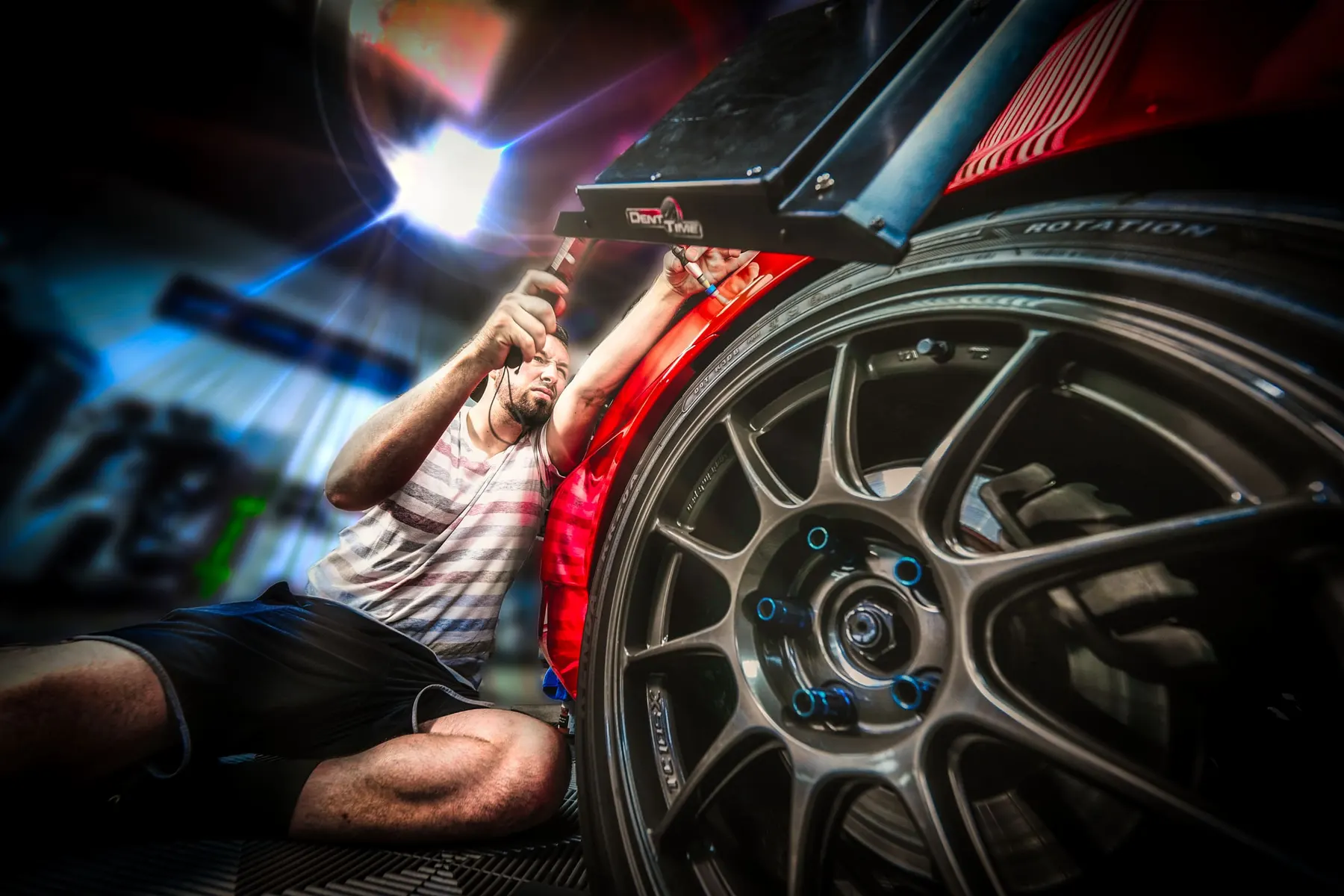
Knowing who you are talking to changes the price before it changes the repair.
How should you price PDR so the number does the selling for you?
Build the price from the damage, the panel, the access and the standard you will not drop below, then present two or three options instead of one figure.
Price is not a number you copy off another technician's website. Do that and you will underquote every hard job, because their number was built for their access, their standard, and their customer. You will also lose the routine work to somebody cheaper, because on an easy dent there is always somebody cheaper.
The far bigger mistake is presenting one number. A single figure is a yes or a no, and it invites the customer to go get two more numbers and pick the lowest. Two or three honest options, each with its tradeoff said plainly, changes the question from whether to hire you into which version they want. It hands the decision back to the customer, which is where it belongs, and it is the single highest-return change most technicians could make this month.
Underneath all of it sits the thing customers genuinely do not know: what the alternative costs them. Filler, a repaint, a blend into the next panel, a permanent mark on the vehicle history, and factory paint that never comes back. If you cannot explain that in two sentences standing at the car, you are selling a dent removal. Explain it and you are selling their factory finish back to them, which is a different product at a different price.
What does the marketing week actually look like for a working technician?
It is mostly small, repeatable habits attached to jobs you are already doing, not a separate marketing job you bolt on at the weekend.
Photograph every single repair, before and after, in consistent light. That one habit feeds your website, your profile, your social, and your estimates for years, and it costs about ninety seconds per job. Most technicians skip it for the first year and then desperately wish they had a library.
Ask for the review while you are still standing at the car and the customer is still looking at the panel and smiling. Not that evening by text, not next week. Right then. The gap between those two moments is the difference between a steady stream of reviews and almost none.
Follow up on quotes that went quiet. Not with pressure, just a short human message that sounds like a person who remembers the car. A meaningful share of the work I have booked over the years came from somebody who meant to reply and life got in the way.
Keep your profile current. Hours, service area, new photos, answered questions. It is unglamorous and it is the piece of marketing most directly connected to the phone ringing.
When do you find time to market if you are repairing all day?
You attach most of it to the repair itself, and you accept that the first year has fewer repair hours than you planned. That is not a failure, it is the shape of building a business.
This is the part that catches people out. In year one you do not have enough work to fill a week with repairs, and the temptation is to sit and wait for the phone. That empty time is the most valuable time you will ever have, and how you spend it decides most of what happens in year two.
The habits above take minutes and ride along with jobs you are already doing. The bigger pieces, the website and the profile and deciding your message, are front-loaded work that you do once properly and then maintain. None of it requires you to become a marketer. It requires you to accept that the trade you entered has two halves and to stop treating the second one as somebody else's job.
If you want the mindset version of this rather than the mechanics, I wrote about why the best technician rarely earns the most in do you have to be the best technician to make good money in PDR. And if you want both halves taught together, that is what the Dent Time courses are built around.
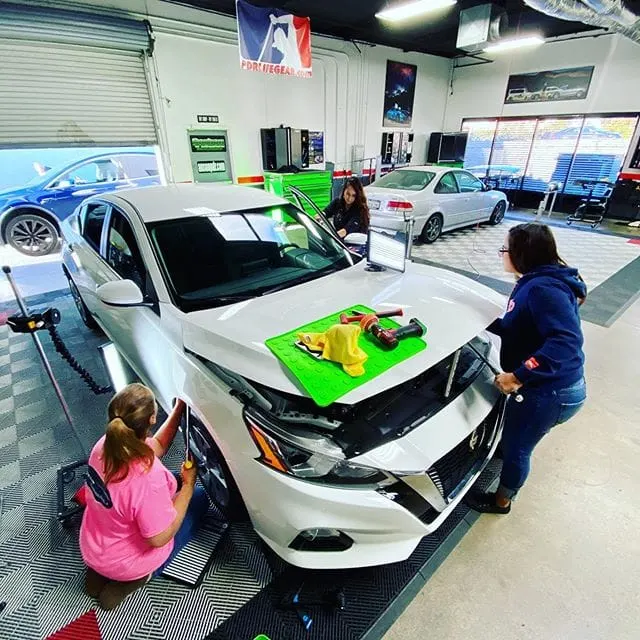
Two halves of the same trade, taught at the same time.
Questions, Answered.
How much of a PDR business is actually marketing?
Roughly three quarters. About a quarter of the work is the repair itself and the rest is promoting yourself and building a brand people trust: your pricing, how you explain the value of PDR, the options you present, your photos and reviews, your Google Business Profile, and knowing who your customer actually is. Every PDR course teaches the quarter.
Do I need social media to run a successful PDR business?
It helps, but it is the last mile rather than the work. Posting into a feed full of other PDR technicians builds a following of technicians, not customers. A properly built Google Business Profile with real photos and steady reviews usually out-performs a year of posting, because it reaches people at the moment they are searching instead of the moment they are scrolling.
What is a client avatar in paintless dent repair?
It is the specific customer you are aiming at, and in this trade there are a few very different ones. A dealership wants volume, speed and a predictable invoice. A body shop wants a subcontractor who creates no problems. A lease return wants the cheapest path to avoiding a penalty. A retail enthusiast wants their factory paint untouched and will pay for care. They respond to opposite messages, so aiming at all four reaches none of them.
How should a PDR technician price their work?
Build the number from the damage, the panel, the access and the standard you will not drop below, rather than copying another technician's website. Then present two or three options instead of one figure. A single number is a yes or a no and invites price shopping. Options change the question from whether to hire you into which version the customer wants.
What marketing should a new PDR technician do first?
Photograph every repair before and after in consistent light, ask for the review while you are still standing at the car, set up your Google Business Profile properly, and follow up on quotes that went quiet. Those four habits attach to work you are already doing and cost minutes, and they compound for years.
Why do PDR schools not teach the business side?
Because most of them are selling the skill and the skill is what a student thinks they are buying on day one. Teaching pricing, communication, presenting options and defining a client avatar takes instructor time and does not photograph well in a brochure. It is still the part that decides whether a graduate is booked solid in year two or still waiting on the phone.