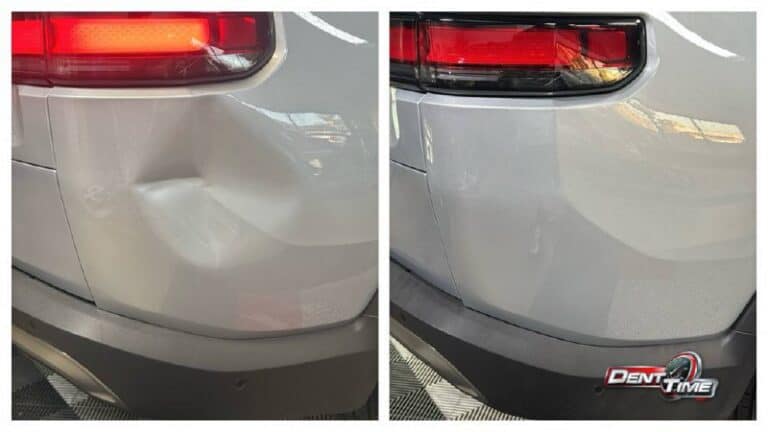
Three days. Twenty one hours of actual work. Six hundred and forty seven individual pushes with custom modified tools.
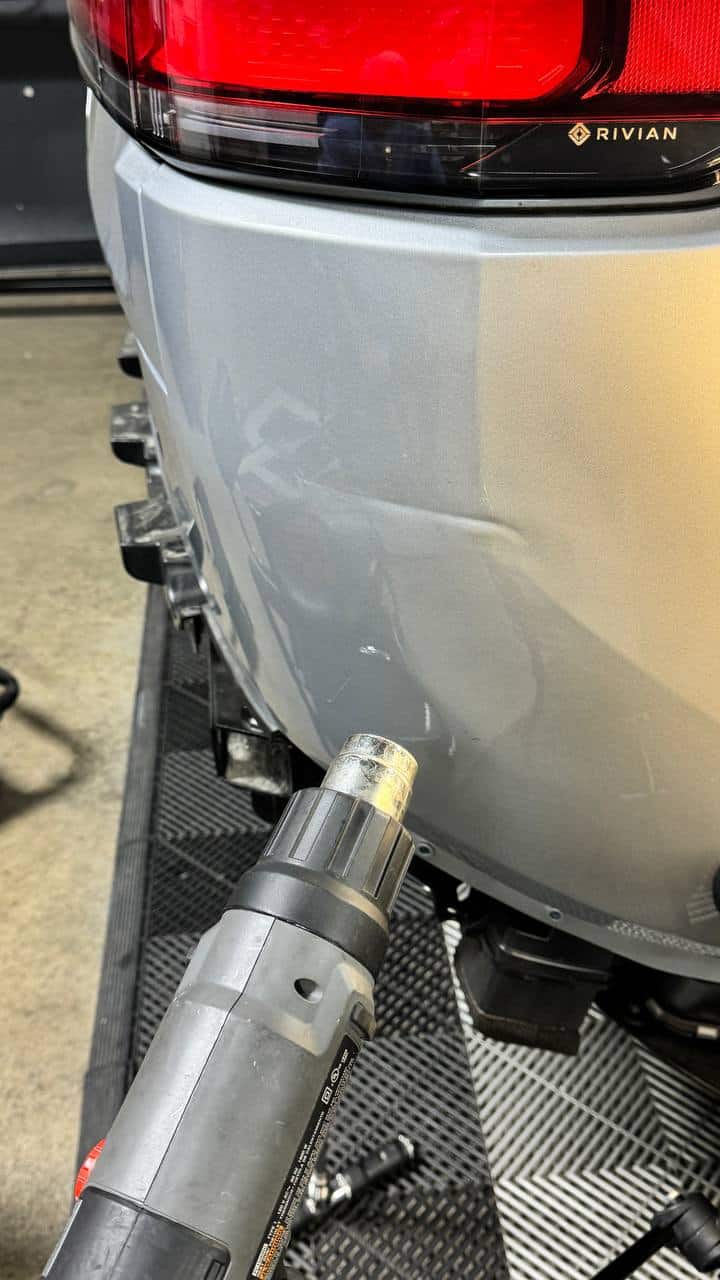
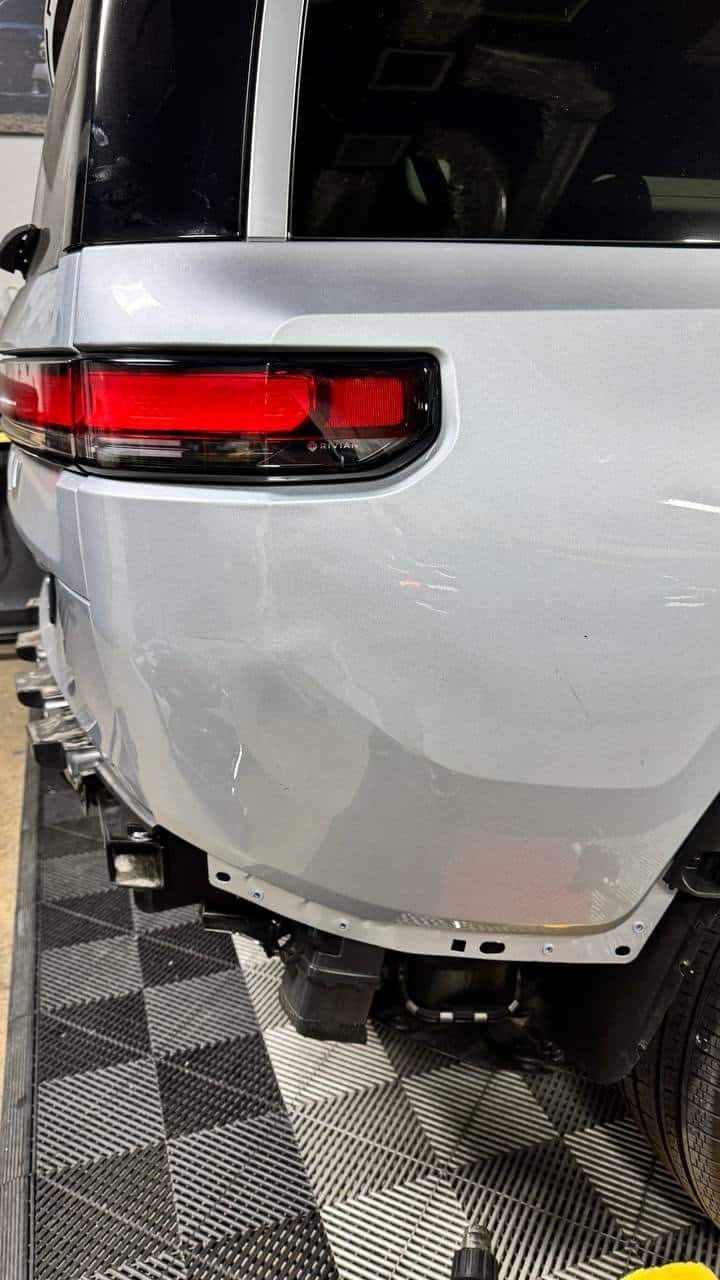
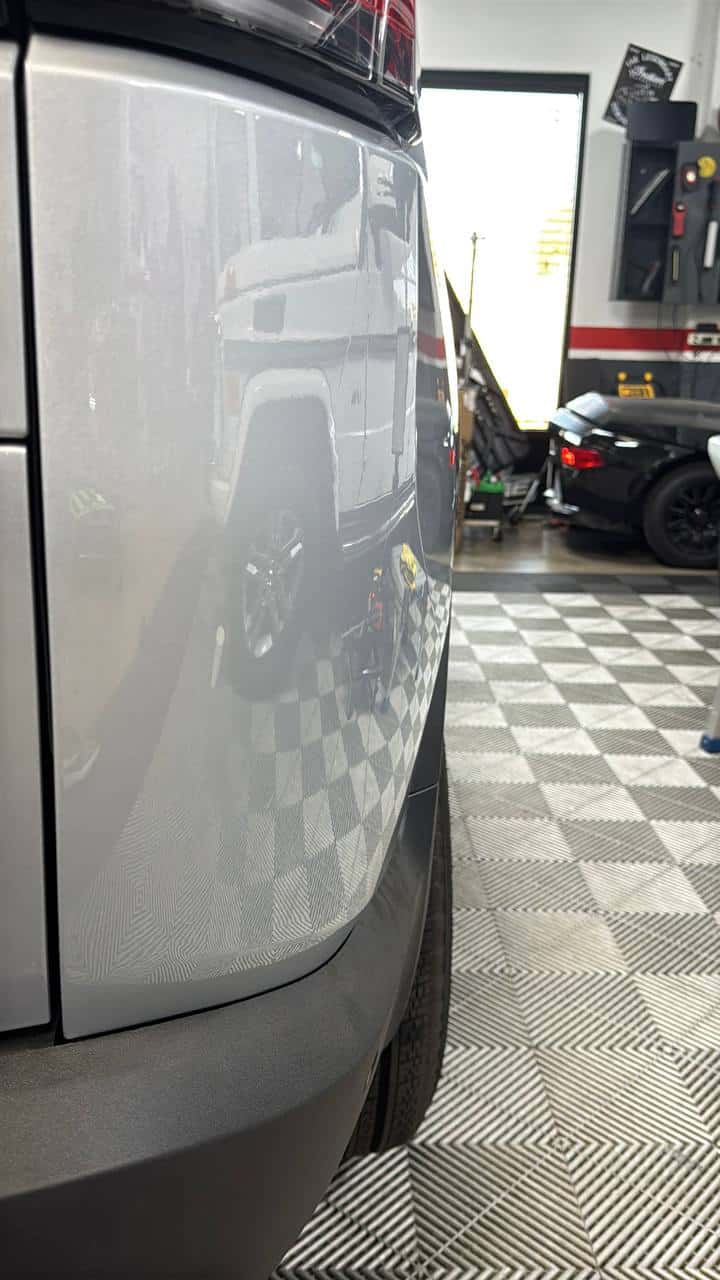
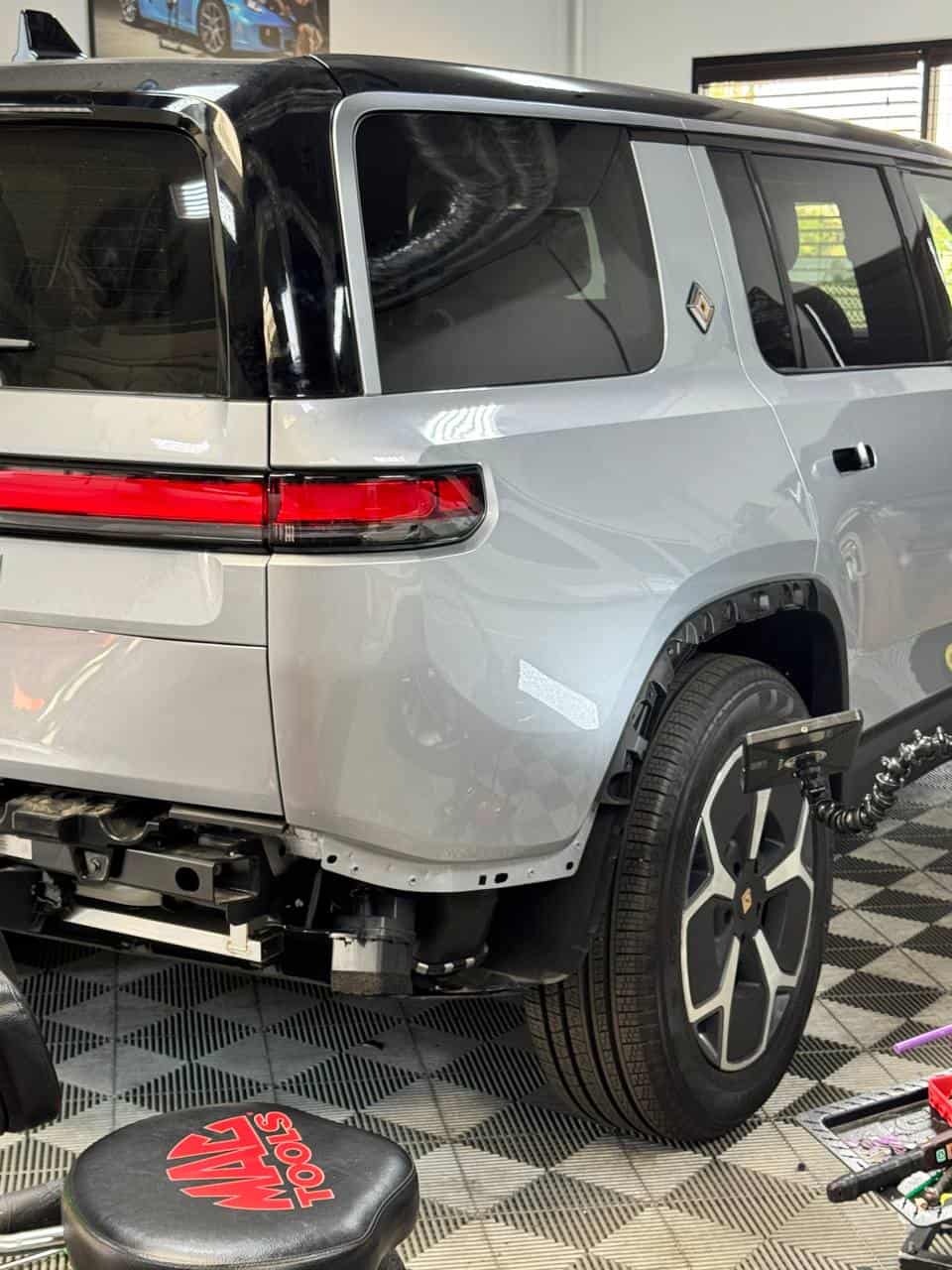
That’s what it took to erase a sharp, creased impact from a Rivian R1S rear quarter panel (using paintless dent removal). Damage that Rivian certified body shops quoted at $20,000 plus with a 2.5 week timeline.
The owner chose Dent Time. Three days later, he drove home with factory paint, factory finish, and zero records on his vehicle history report.
But here’s what most people don’t understand: this repair wasn’t “cheap.” It cost roughly half what the body shop wanted, sure. But $8,000 to $12,000 is real money. And if you’re still thinking of PDR as the “cheap alternative to body work,” you’re missing the entire point.
The Myth of “Cheap” PDR
Twenty years ago, paintless dent repair was mostly door dings and small dents. Technicians worked quickly, charged modestly, and marketed themselves as the budget option.
That era is over.
“People still think PDR should cost $100 because that’s what the guy at the mall charges for a shopping cart dent,” Myke Toledo explains. “But this isn’t 2005. We’re not doing dings anymore. We’re doing collision level damage without the collision level destruction.”
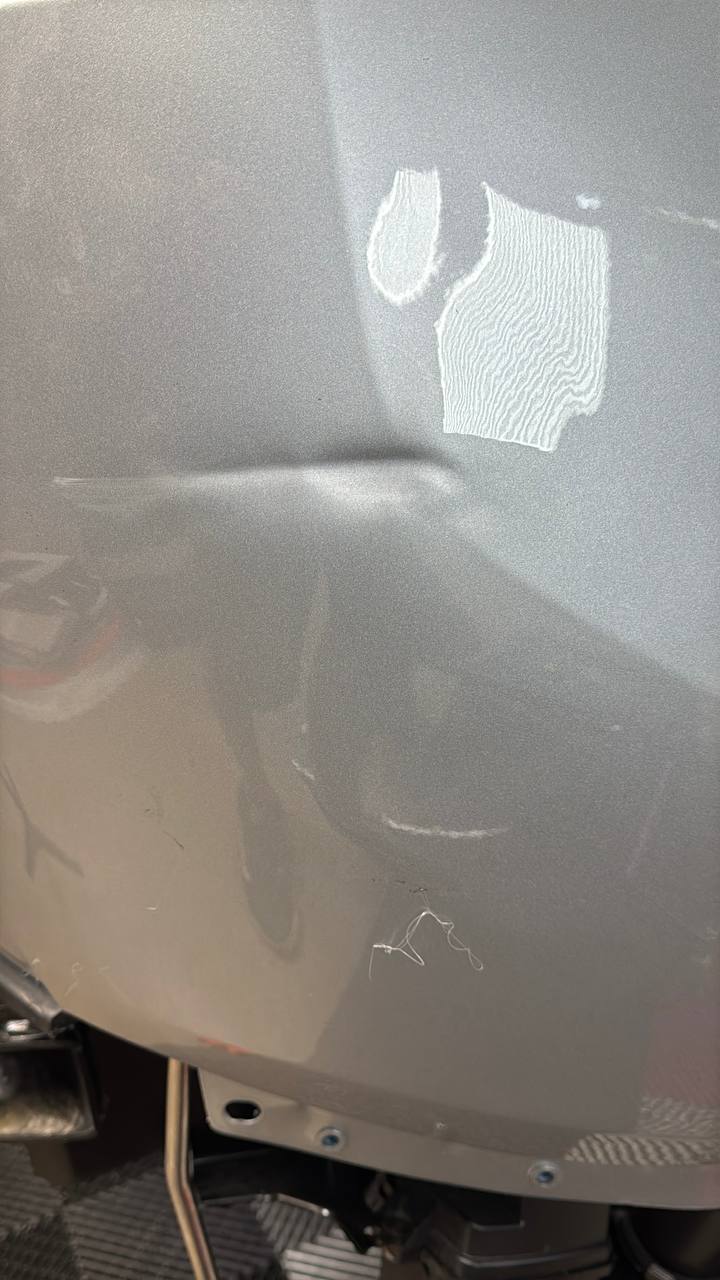
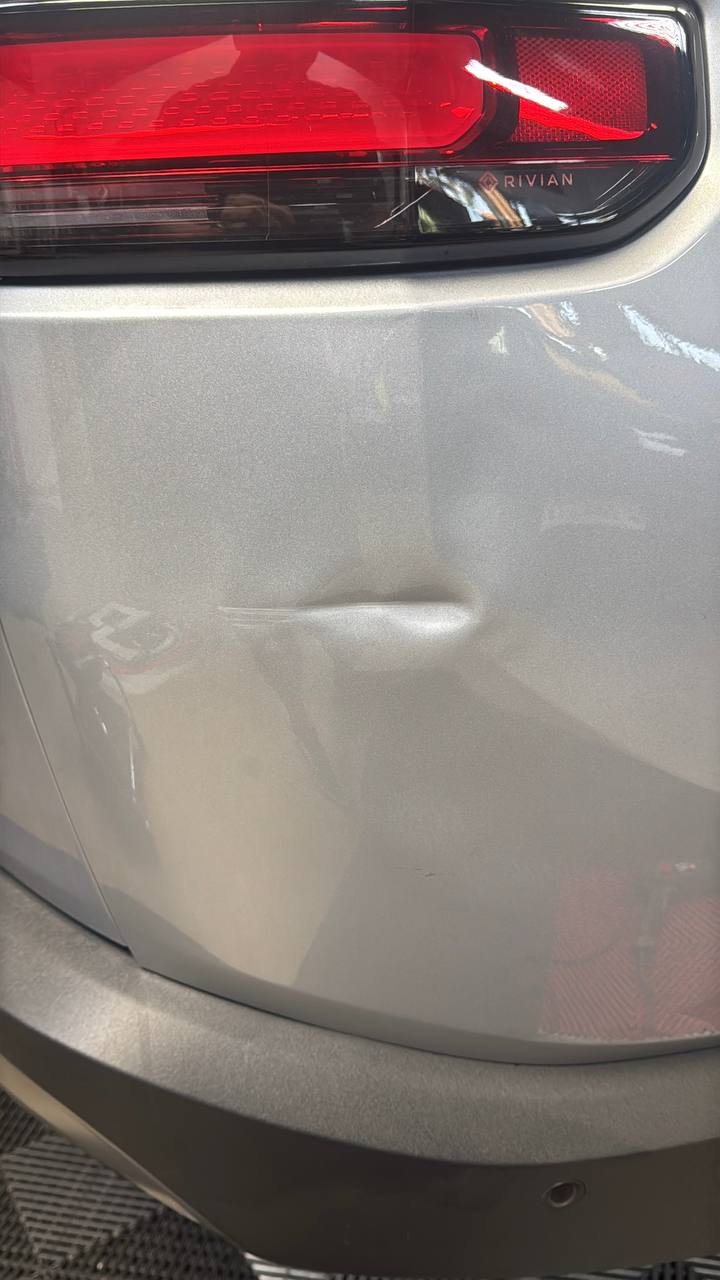
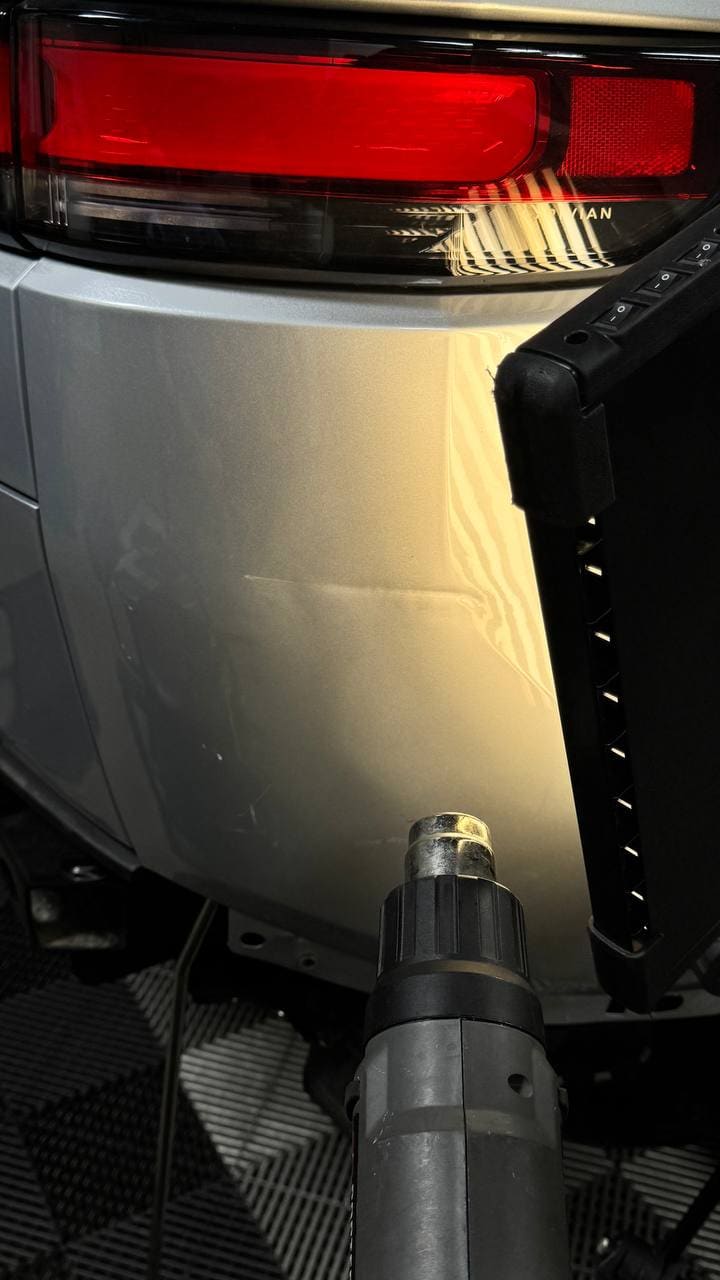
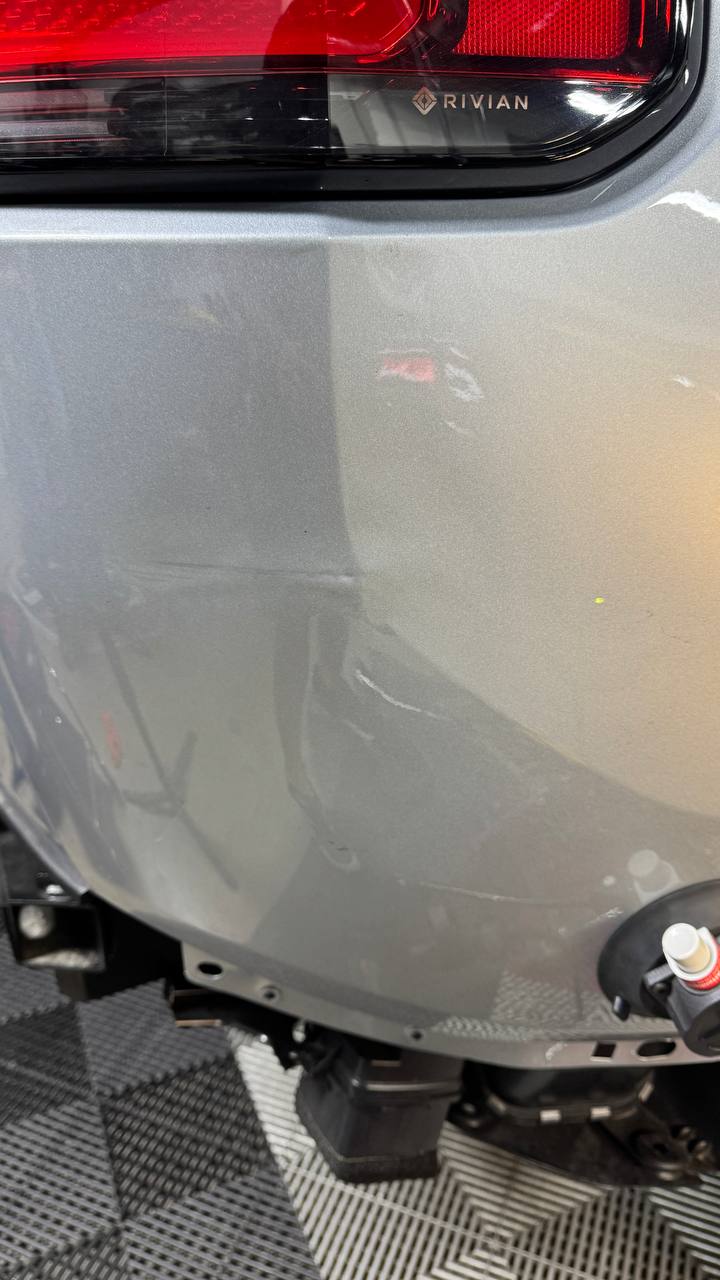
The Rivian that came into the Dent Time shop had a sharp, V shaped crease buried in a larger impression. What technicians call “a crease within a crease.” The metal wasn’t just pushed inward; it was stretched, tensioned, and work hardened. The kind of damage that fights back every time you touch it.
Invasive vs Non Invasive: The Real Difference
Here’s what body shops don’t tell you: their solution is destruction followed by reconstruction.
They’ll grind off your factory paint. They’ll apply body filler to smooth the damage. They’ll spray primer, base coat, clear coat. Then they’ll bake it, sand it, buff it, and hope the color matches the rest of your vehicle.
Is it effective? Usually. Is it the only option? Absolutely not.
“Body shops have their place,” Toledo acknowledges. “If the metal is torn, if the panel is cracked, if there’s structural damage, you need a body shop. But for 80% of the damage we see, including this Rivian, you’re choosing between invasive repair and non invasive repair.”
PDR is the non invasive option. We don’t remove material. We don’t add material. We work with what exists: your original factory paint, your original clear coat, your original panel.
“It’s the difference between surgery with a scalpel and surgery with a sledgehammer,” Toledo says. “Both can fix the problem. One preserves everything around it. The other doesn’t.”
What Three Days Actually Looks Like
Day one started with disassembly. Not “popping off a trim piece” disassembly. Full bumper removal. Interior panels. The electrical harness for cameras, parking sensors, and blind spot monitors. On a Rivian, unplugging those harnesses throws the entire vehicle computer into fault mode. The system required a hard reset before the car would function normally again.
“People think PDR means we don’t take things apart,” Toledo says. “We take everything apart. We just don’t cut, grind, or paint what we find underneath.”
Once the panel was accessible, the real work began. Not with tools behind the panel, at least not yet. First came the glue setup: dozens of specialized tabs positioned with millimeter precision, attached with thermal adhesive that hardens in seconds. Each tab placement calculated based on metal tension, crease geometry, and paint elasticity.
The first pulls were barely visible. Fractions of a millimeter. The kind of movement that would make an impatient technician panic and push harder, which is exactly how you destroy a panel.
The Oil Can Effect: Every Technician’s Nightmare
Here’s where education matters. When metal gets stretched, really stretched, it loses structural memory. Push too aggressively, and the panel develops what’s called the oil can effect: the metal won’t stay neutral. Press it from one side, it pops out. Press from the other, it pops in. Like an old fashioned oil can.
“Once that happens,” Toledo explains, “you’re done. That panel is ruined. There’s no coming back from it.”
The Rivian repair stayed on the edge of that precipice for two full days. Every pull had to create enough outward tension to gradually relieve the stretched metal, but not so much that the center collapsed into an oil can. It’s like defusing a bomb where the wires keep moving.
Temperature management became critical. Too cold, the paint cracks. Too hot, it delaminates. Heat guns and infrared lamps kept the panel in a narrow workable range while technicians worked with tools they modified specifically for this type of damage. Different tips, different angles, different leverage points than standard PDR equipment.
The 95% Rule Nobody Talks About
Day three is when the transformation happened. For two and a half days, progress was nearly invisible to an untrained eye. Then, in the final hours, the damage seemed to melt away.
“We spend 95% of our time on the last 5% of the repair,” Toledo says. “That’s the part nobody sees. That’s the part that separates professionals from pretenders.”
The final phase involved what technicians call “detail work.” Addressing micro lows, tension rings, and surface distortion invisible in photos but obvious in direct light. Reflection boards, LED lines, and specialized reading lights revealed imperfections most owners would never notice, but that Toledo refused to ignore.
“The goal isn’t better than it was,” he emphasizes. “The goal is pre accident condition. Indistinguishable from factory.”
The Real Value Equation
So let’s talk about that $10,000 price tag. Expensive? Compared to a $50 door ding, absolutely. Compared to the body shop alternative, it’s a bargain that gets better the longer you look at it.
Consider what the Rivian owner actually received:
Original factory paint. Not a color match. Not “close enough.” The actual paint that came from the factory, with the actual clear coat, gloss, and texture designed for that specific vehicle. No orange peel. No overspray. No blend lines.
Zero vehicle history report entries. No structural damage flags. No accident records. No diminished value when he sells or trades. On a $90,000 plus electric vehicle, that preservation is worth thousands at resale. A body shop repair, even perfect body shop repair, leaves a paper trail that reduces your trade in value.
Three days versus 2.5 weeks. For someone who needs their daily driver, that’s 16 days of rental cars, ride shares, or disrupted schedules. That’s real money. That’s real inconvenience.
No chemical exposure, no dust, no overspray. The environmental impact of traditional body work, solvents, primers, base coats, clear coats, sanding dust, is substantial. PDR creates zero hazardous waste.
“PDR isn’t always cheaper than a body shop,” Toledo clarifies. “Sometimes it is. Sometimes it isn’t. But for the right damage, it’s always better. You’re getting a superior repair that preserves everything original about your vehicle.”
When You Actually Need a Body Shop
Toledo is quick to acknowledge body shops serve a purpose. If your panel is cracked, torn, or structurally compromised, PDR can’t help you. If the damage is on a body line that has been pushed beyond its elastic limit, traditional repair might be your only option.
“We’re not anti body shop,” he says. “We’re anti unnecessary body shop. We’re against grinding off factory paint when you don’t have to. We’re against filling and repainting when the original is still salvageable.”
The key is assessment. Understanding what type of damage you have and what your actual options are. Most owners assume body shop is the only path for anything bigger than a door ding. That’s simply not true.
Insurance Reality Check
For complex repairs, Dent Time operates differently than standard shops. There’s no single price. There’s a conversation.
Some owners want the full restoration, every detail perfected, every micro imperfection addressed. Others need the damage gone at a price point that works for their situation, with the understanding that 95% repair is still dramatically better than 0% repair.
For insurance claims, the process requires client advocacy. Insurance companies don’t automatically understand advanced PDR methodology. They see “dent repair” and think $200 mall specials. Educating adjusters, sometimes repeatedly, becomes part of the service.
“I tell customers upfront: if you’re going through insurance, I need you willing to get on the phone and fight for this,” Toledo says. “Because they will try to lowball it. They will try to force you into a body shop. Someone has to explain why this repair methodology is valid, necessary, and worth paying for.”
The Bottom Line
The Rivian owner who chose PDR over the body shop didn’t just save money. He saved time, preserved resale value, kept his factory finish intact, and avoided a permanent stain on his vehicle’s record.
He also got a repair that’s arguably superior to what the body shop would have delivered. No fillers. No primer. No paint that will eventually fade, peel, or mismatch. Just metal, returned to its original state through precision, patience, and technique.
“This is plastic surgery for vehicles,” Toledo says. “We’re not covering up the damage. We’re removing it entirely. That’s not cheap. But when you compare invasive versus non invasive, when you understand what you’re actually getting, the choice becomes obvious.”